


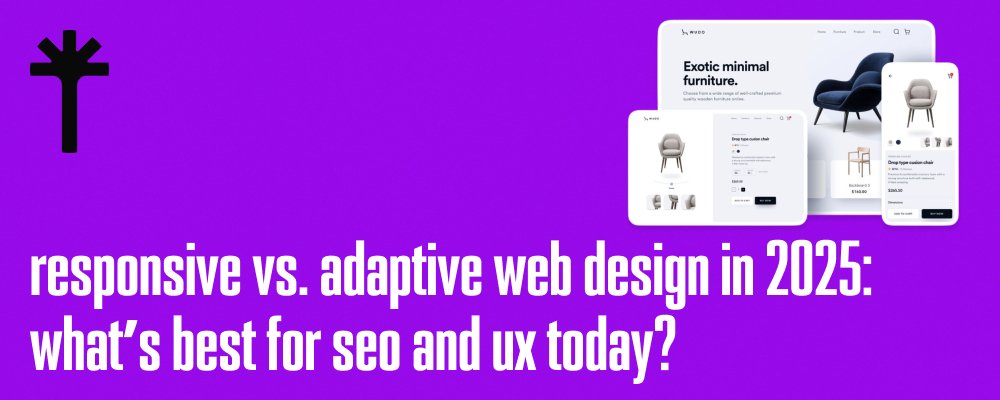
Web design has evolved faster in the last three years than in the decade before it. With search engines shifting toward richer intent signals, and users expecting instant clarity on every screen, the way you structure your website plays a direct role in your visibility and conversions. In 2025, two approaches continue to dominate conversations in Web Design and Development: responsive design and adaptive design. Both aim to give users a smooth experience, but they do it through very different methods, and their impact on SEO and UX is not the same.
To choose the right direction, it is essential to understand how each approach performs in today’s user environment and what search engines now reward.
What is Responsive Web Design
Responsive design is a fluid approach where your layout adjusts automatically according to the user device. This means the website rearranges and scales elements in real time so users get a clean experience on desktop, tablet, and mobile.
In 2025, responsive design continues to be the most used method because it offers consistency, simplified maintenance, and easy compatibility with search engine requirements. It supports flexible grids, fluid images, and CSS based adjustments that keep the site visually aligned across all screens.
What is Adaptive Web Design
Adaptive design works by offering multiple fixed layouts. Instead of reshaping content fluidly, the website detects the device width and loads a version designed specifically for that size.
Adaptive design has strengths too. It can be faster because each version is pre-designed. It can also offer a more intentional user experience, especially for brands that want to build highly optimized mobile modules.
However, it requires more planning, more maintenance, and more content versioning, which can make it harder for many businesses unless they have ongoing Web Design and Development support.
Which Approach Performs Better for SEO in 2025
Search engines have heavily updated their ranking criteria. Today, SEO is influenced by real user satisfaction signals such as reading patterns, scroll depth, stability of layout, speed, and accessibility.
Here is how each approach performs.
SEO Impact of Responsive Design
Responsive design continues to be the recommended approach for most brands because search engines prefer a single URL and unified HTML structure. This makes it easier for crawlers to understand content and associate ranking factors.
Responsive design is also aligned with Core Web Vitals and performance metrics that directly affect search visibility.
SEO Impact of Adaptive Design
Adaptive design can provide very fast load times if executed correctly. With device specific assets, layout shifts are reduced, and pages feel stable. However, multiple versions can sometimes confuse crawlers if not structured well.
Adaptive design is still successful in SEO, but it requires stronger technical support and a clear device targeting strategy to maintain consistency.
Which Approach Wins in User Experience
User expectations continue to rise. In 2025, a good website must feel natural, predictable, and visually calm.
UX Strengths of Responsive Design
Responsive design gives users a unified journey. Whether they switch devices or browse from different platforms, the layout stays familiar. This consistency creates brand trust and reduces cognitive load.
UX Strengths of Adaptive Design
Adaptive design gives more control to designers. Each layout can be crafted intentionally for the screen it serves. This is powerful for websites with detailed user flows or unique mobile experiences.
Where Professional Support Makes the Real Difference
Most businesses know the basics of responsive design. But in 2025, success depends on how well your Web Design and Development strategy aligns with SEO, performance, and user expectations. This is where many brands turn to professional teams who understand modern technical standards and emerging search behaviors.
A skilled web design agency analyzes device traffic, user behavior patterns, and ranking challenges before recommending responsive or adaptive frameworks. The goal is not just to build a site but to build a digital asset that grows with your business.
Arbortising offers modern Web Design and Development solutions designed for evolving user standards. With research backed UX strategies and a focus on real measurable results, the team supports brands in choosing the right design structure and implementing it effectively. Their web design services approach combines creativity with performance to help businesses stay ahead in an increasingly competitive environment.
To learn more about their services, visit their official page.
Conclusion: The Best Choice for 2025
Both responsive and adaptive design can deliver strong SEO and UX results in 2025, but the right choice depends on your audience, industry, and performance needs.
Choose responsive design if you want
• Unified content management
• Better alignment with search engine guidelines
• Consistent user experience across all screens
Choose adaptive design if you want
• Highly optimized mobile experiences
• Advanced control over layouts
• Faster speed from device specific templates
No matter what direction you choose, expert guidance ensures your website works for both algorithms and real users. If you want support in choosing or implementing the right structure, Arbortising can help you build a future ready website that strengthens your visibility and engagement.
CTA: Schedule a consultation with Arbortising today and begin building a site that performs, converts, and grows your brand in 2025 and beyond.