


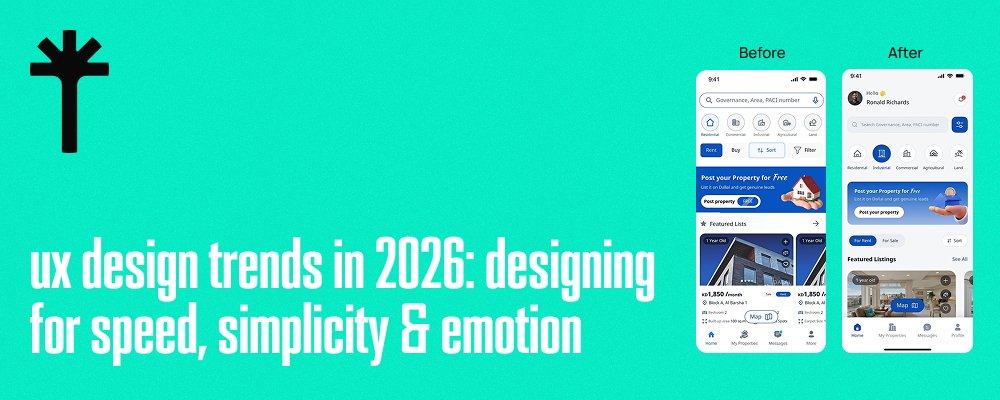
In 2026, user experience is no longer just about how a website looks. It is about how it feels, how easily it works, and how quickly it delivers value. Users expect digital platforms to be intuitive, responsive, and emotionally engaging from the first interaction.
Brands that prioritize thoughtful UX design build stronger relationships, improve conversions, and create lasting impressions. Designing for speed, simplicity, and emotion has become essential for modern digital success.
Speed as the Foundation of User Experience
Speed remains one of the most important elements of effective UX design. Users expect instant access to information and seamless navigation across devices. Slow interfaces create frustration and lead to higher abandonment rates.
Fast loading pages, optimized interactions, and lightweight interfaces support smoother journeys. Through strong UX Web Development practices, brands can ensure performance and usability work together rather than in isolation.
Simplicity Drives Clarity and Confidence
Simplicity does not mean minimal content. It means thoughtful organization, clear navigation, and intuitive layouts. In 2026, users prefer interfaces that reduce cognitive effort and guide them naturally toward their goals.
Well structured menus, consistent visual hierarchies, and purposeful spacing improve comprehension. Professional UX web design focuses on eliminating unnecessary complexity while preserving functionality and brand identity.
Emotional Design Creates Deeper Connections
Modern UX design goes beyond usability to address emotional response. Colors, typography, micro interactions, and content tone all influence how users feel during their journey.
Emotional design builds trust, comfort, and motivation. When users feel understood and supported, they are more likely to engage and return. High quality UX design services integrate psychological insight with technical execution to create meaningful experiences.
Personalization and Adaptive Interfaces
In 2026, personalization plays a major role in UX. Interfaces adapt based on user behavior, preferences, and past interactions. This makes experiences feel relevant and tailored rather than generic.
Adaptive design improves efficiency and satisfaction. Users find what they need faster, while brands gain deeper insight into audience needs. This personalization is increasingly supported by intelligent UX Web Development frameworks.
Accessibility and Inclusive Design
Inclusive design is no longer optional. Brands must ensure digital platforms are usable by people of all abilities and backgrounds. Accessibility features such as readable typography, keyboard navigation, and screen reader compatibility enhance usability for everyone.
Designing with inclusivity in mind reflects professionalism and social responsibility. It also expands audience reach and strengthens brand reputation.
Integrating UX With Business Strategy
UX design is most effective when aligned with business objectives. Every design decision should support user needs while advancing brand goals. This requires collaboration between designers, developers, and strategists.
UX web design that aligns aesthetics, functionality, and messaging creates cohesive journeys that guide users toward meaningful actions. Strategic alignment ensures that design investment delivers measurable value.
Testing and Continuous Improvement
User expectations evolve constantly. Brands must test, analyze, and refine UX experiences regularly. Usability testing, heatmaps, and feedback loops provide insight into real user behavior.
Continuous improvement allows brands to adapt quickly and maintain relevance. Professional UX design services emphasize iterative development rather than one time implementation.
Preparing for the Future of UX
Future focused UX design balances innovation with usability. Emerging technologies such as voice interfaces, immersive experiences, and AI driven personalization will continue to shape user expectations.
Brands that invest in adaptable systems and skilled UX Web Development teams will be better prepared for ongoing change. Flexibility and learning will remain essential components of UX success.
Conclusion
In 2026, effective UX design is defined by speed, simplicity, and emotional connection. Brands that deliver intuitive, responsive, and empathetic experiences build stronger engagement and long term loyalty.
This is where arbortising supports businesses through expert UX Web Development, professional UX web design, and comprehensive UX design services. By aligning user needs with strategic goals, Arbortising helps brands create digital experiences that truly resonate. Learn more at
https://arbortising.com/