


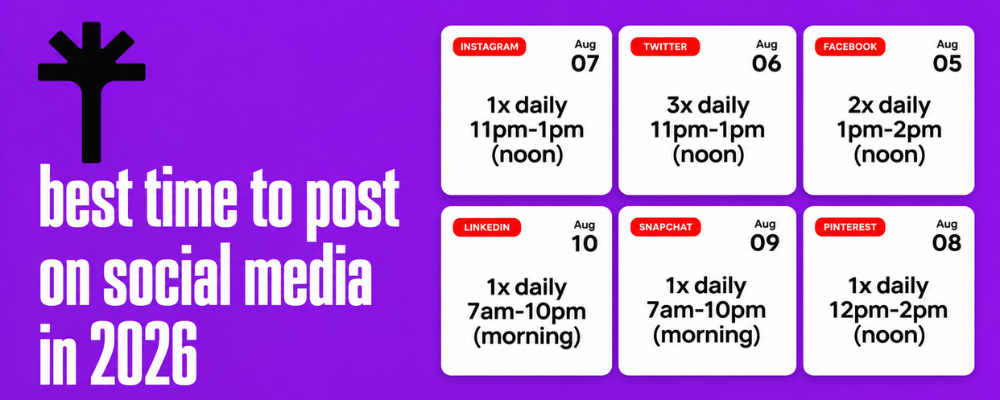
 Timing has always been an important factor in social media marketing, but it is no longer the only factor that determines success. Many businesses believe there is a single perfect time to publish content, yet the reality is much more complex. Every audience behaves differently based on location, industry, interests, and online habits.
While creating valuable content should always remain the top priority, publishing it when your audience is most active can significantly improve visibility and engagement. A well-planned posting schedule helps businesses reach more people, encourage meaningful interactions, and maximize the impact of every post.
Whether you manage a small business or a global brand, understanding the best time to post on social media and strengthening your marketing strategy can help you build a schedule that actually performs.
Does Posting Time Really Matter?
Yes, but not for the reasons many people think.
Social media platforms use sophisticated algorithms that evaluate many signals before deciding how widely to distribute content. Posting when your audience is active gives your content a better chance of receiving immediate engagement, which can increase its visibility.
However, timing alone cannot make poor content successful. Valuable, relevant, and engaging posts will always perform better than content published at the perfect time without offering value.
Every Audience Is Different
There is no universal posting time that works for every business.
Several factors influence when your audience is online, including:
- Industry
- Geographic location
- Age group
- Work schedules
- Lifestyle
- Platform preferences
For example, a business targeting professionals may see stronger engagement during weekday mornings, while an entertainment brand may perform better during evenings or weekends.
Understanding your audience should always guide your posting schedule.
General Best Times to Post
Although every audience is unique, industry research provides useful starting points.
According to the 2025 Sprout Social Index, engagement tends to be strongest during weekday mornings, particularly from 9 AM to 12 PM, with Tuesday, Wednesday, and Thursday often showing consistent performance across several platforms.
Understand Each Platform
Different social media platforms attract different audiences and behaviors.
Instagram performs well with visually engaging content, especially during periods when users take breaks throughout the day. Popular content includes:
- Reels
- Stories
- Carousels
- Educational graphics
Facebook audiences often engage throughout the day, making it suitable for community updates, videos, articles, and local business content.
LinkedIn generally performs best during business hours when professionals are actively networking and consuming industry content.
TikTok
TikTok audiences often remain active during evenings and weekends, although performance varies widely depending on content quality and audience demographics.
Choosing the right platform matters just as much as choosing the right posting time. Our guide to the best social media platforms for different business types can help you decide where to focus your efforts.
Build a Consistent Posting Schedule
One of the biggest contributors to long-term success is consistency.
A structured posting schedule helps businesses:
- Maintain regular publishing
- Plan campaigns effectively
- Balance different content types
- Save time
- Improve brand recognition
Instead of posting randomly, businesses should develop a content calendar that supports their marketing objectives.
Monitor Your Analytics
The best posting schedule comes from your own audience data.
Every major social media platform provides analytics that reveal:
- When followers are online
- Which posts receive the most engagement
- Audience demographics
- Content performance
- Growth trends
Reviewing this information regularly allows businesses to adjust their publishing schedule based on real user behavior rather than assumptions.
Focus on Social Media Engagement
Publishing content is only part of the strategy.
Improving social media engagement requires businesses to actively participate in conversations. Respond to:
- Comments
- Direct messages
- Questions
- Reviews
- Mentions
Meaningful interaction encourages stronger relationships while increasing the likelihood that future content will be seen.
According to the 2025 Sprout Social Index, consumers are more likely to purchase from brands that actively engage with their communities and respond to customer interactions.
Quality Always Comes Before Timing
Many businesses spend too much time searching for the perfect posting hour while overlooking content quality.
Strong content should:
- Solve customer problems
- Answer common questions
- Entertain or inspire
- Educate audiences
- Encourage discussion
Excellent content shared consistently will outperform average content posted at an ideal time.
Test and Refine Your Strategy
Audience behavior changes over time.
Businesses should regularly test:
- Morning versus evening posts
- Weekday versus weekend publishing
- Different content formats
- Various calls to action
Comparing results helps identify patterns unique to your audience. There is no substitute for continuous testing and improvement.
Common Mistakes to Avoid
Businesses often reduce engagement by making simple mistakes. Avoid:
- Posting without a plan
- Ignoring platform analytics
- Publishing inconsistent content
- Focusing only on promotional posts
- Copying competitors without testing
Building an effective strategy requires understanding your own audience rather than relying solely on general recommendations.
The Future of Social Media Scheduling
Artificial intelligence and advanced analytics are making scheduling more intelligent. Many social media management platforms now recommend publishing times based on audience activity and previous engagement.
While technology can improve scheduling decisions, businesses should continue prioritizing authentic content, meaningful conversations, and consistent value.
Conclusion
The best time to post on social media depends on your audience, your industry, and your marketing goals. While general benchmarks provide helpful guidance, the most effective posting schedule is built through testing, audience analysis, and continuous optimization.
Businesses that combine consistent publishing with valuable content and strong social media engagement will continue building stronger communities and achieving long-term growth.
At Arbortising, we help businesses develop data-driven social media strategies that maximize visibility and engagement. Our social media marketing services cover content planning, scheduling, performance analysis, and audience growth, helping brands connect with the right people at the right time.