


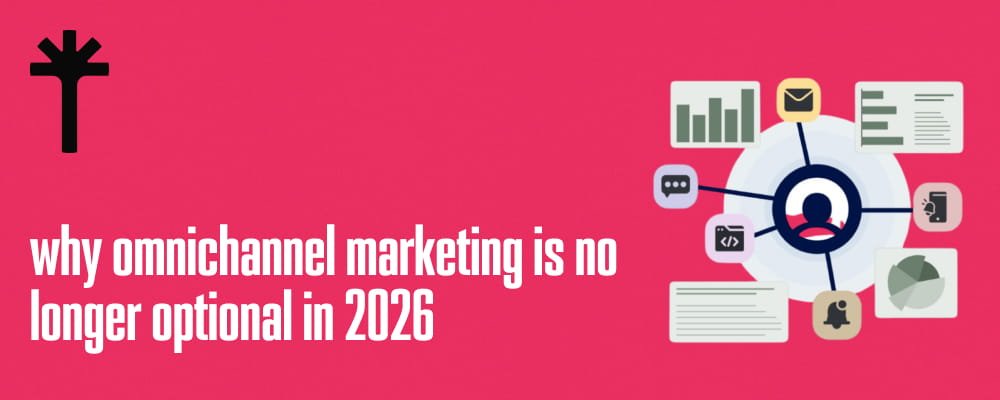
Modern consumers no longer interact with brands through a single channel. A customer may discover a business on Instagram, visit its website later, subscribe to an email newsletter, and eventually make a purchase through a mobile device. This journey often spans multiple platforms, devices, and touchpoints.
As customer behavior becomes more connected, businesses must adapt their marketing strategies accordingly. This is why omnichannel marketing has become a necessity rather than a competitive advantage. Brands that fail to create a seamless experience across channels risk losing customers to competitors that provide a more consistent and convenient journey.
For businesses investing in social media marketing services, understanding and implementing omnichannel marketing is essential for driving engagement, improving conversions, and building long term customer relationships.
What Is Omnichannel Marketing?
Omnichannel marketing is a strategy that creates a unified customer experience across all marketing and communication channels. Rather than treating each platform separately, omnichannel marketing ensures that every touchpoint works together as part of a connected experience.
These channels may include:
- Social media platforms
- Websites
- Email marketing
- Mobile applications
- Search engines
- Customer support channels
- Digital Marketing
The goal is to make the customer experience feel consistent regardless of where or how people interact with the brand.
Why Consumer Behavior Has Changed
The rise of digital technology has transformed how people research products, communicate with brands, and make purchasing decisions. Consumers now expect flexibility and convenience throughout their journey.
According to Salesforce, 73 percent of customers expect companies to understand their unique needs and expectations, demonstrating the growing demand for personalized and connected experiences.
Customers no longer see channels as separate. They expect brands to recognize them and provide a seamless experience across every interaction.
The Difference Between Multichannel and Omnichannel
Many businesses mistakenly believe that having a presence on multiple platforms is enough. However, there is an important difference between multichannel and omnichannel marketing.
Multichannel Marketing
A business uses several platforms, but each channel operates independently.
Omnichannel Marketing
All channels work together to create a connected customer experience.
For example, a customer who interacts with a brand on social media should receive messaging and experiences that align with what they see on the website, in email communications, and through customer support.
How Omnichannel Marketing Improves Customer Experience
One of the biggest advantages of omnichannel marketing is its ability to improve customer experience.
Consistent Brand Messaging
Customers receive the same message and brand experience across every channel, reducing confusion and building trust.
Smoother Customer Journeys
Users can move between platforms without disruption, making it easier to complete actions such as purchases or inquiries.
Better Personalization
Businesses can use customer data from multiple touchpoints to deliver more relevant content and recommendations.
Increased Convenience
Customers can engage with brands on their preferred channels without sacrificing experience quality.
The Business Impact of Omnichannel Marketing
The benefits of omnichannel marketing extend beyond customer satisfaction. It also drives measurable business results.
According to research from Harvard Business Review, omnichannel customers spend more than single channel customers and demonstrate higher levels of loyalty, highlighting the financial value of connected experiences.
Businesses that successfully implement omnichannel strategies often experience:
- Higher conversion rates
- Increased customer retention
- Stronger customer loyalty
- Improved return on marketing investment
- Better customer lifetime value
The Role of Social Media in Omnichannel Marketing
Social media has become one of the most important components of an omnichannel strategy. It often serves as the first touchpoint where customers discover a brand.
However, social media should not function in isolation. It must connect with other channels to guide customers through the entire journey.
For businesses investing in social media marketing services, this means:
- Aligning social content with website messaging
- Connecting social campaigns with email marketing
- Using social insights to improve personalization
- Retargeting users across multiple platforms
When social media becomes part of a larger ecosystem, its impact on conversions and customer engagement increases significantly.
Common Challenges Businesses Face
While omnichannel marketing offers significant benefits, implementation can be challenging.
Data Silos
Customer information is often stored in separate systems, making it difficult to create a unified view of the customer.
Inconsistent Messaging
Different teams may communicate differently across channels, creating confusion.
Technology Integration
Connecting platforms and systems requires careful planning and investment.
Measuring Performance
Tracking customer journeys across multiple channels can be more complex than measuring individual campaigns.
Overcoming these challenges requires a strategic approach and the right tools.
Building an Effective Omnichannel Strategy
Businesses looking to implement omnichannel marketing should focus on several key areas.
Understand the Customer Journey
Map how customers interact with the brand across different channels.
Create Consistent Messaging
Ensure that branding, tone, and communication remain aligned.
Integrate Data Sources
Use technology to connect customer information from various platforms.
Personalize Experiences
Leverage customer insights to deliver relevant content and offers.
Monitor and Optimize
Continuously analyze performance and refine strategies based on customer behavior.
The Future of Omnichannel Marketing
As technology continues to evolve, omnichannel marketing will become even more sophisticated. Artificial intelligence, automation, and predictive analytics will help businesses deliver more personalized and seamless experiences.
Customers will increasingly expect brands to anticipate their needs and provide relevant interactions at every stage of the journey.
Businesses that embrace omnichannel marketing now will be better positioned to meet these expectations and maintain a competitive advantage.
Conclusion
Omnichannel marketing is no longer optional in 2026. Consumers expect seamless experiences across every platform and touchpoint, and businesses that fail to provide them risk losing valuable opportunities.
By creating connected customer journeys, brands can improve engagement, increase loyalty, and drive stronger business results.
This is where arbortising supports businesses with expert social media marketing services designed to create cohesive and effective marketing strategies. Whether you are looking to strengthen your social media marketing efforts or build a fully integrated omnichannel approach, Arbortising helps brands create meaningful customer experiences that deliver measurable growth.
Learn more at https://arbortising.com/