Loading…


Understanding how customers interact with a brand is one of the most important factors in improving conversions. In 2026, businesses are no longer relying on guesswork or assumptions.
Posted by Arbortising -on June 19, 2026
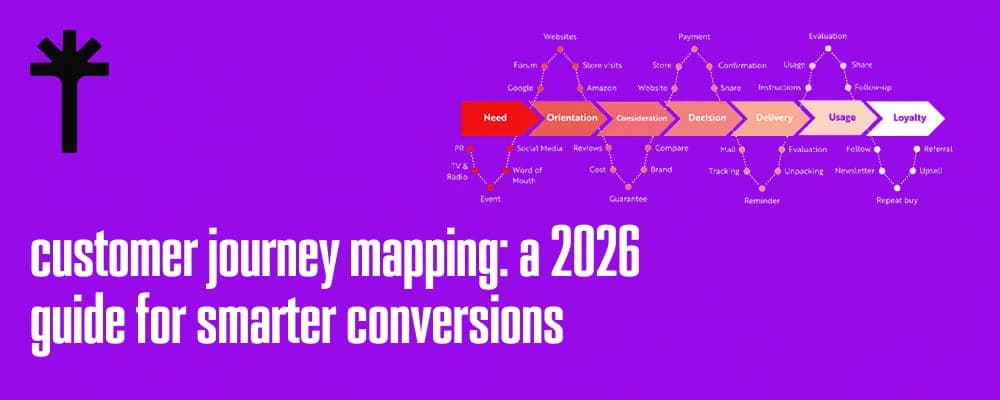
Understanding how customers interact with a brand is one of the most important factors in improving conversions. In 2026, businesses are no longer relying on guesswork or assumptions. Instead, they are using customer journey mapping to visualize every step a user takes before making a decision.
Customer journey mapping helps brands understand behavior, identify pain points, and improve overall experience. For companies investing in social media marketing services, this approach is becoming essential for turning engagement into real business results.
Customer journey mapping is the process of visualizing the entire experience a customer has with a brand. This includes every interaction from the first moment of awareness to the final purchase and beyond.
It typically includes stages such as:
Modern customers interact with brands across multiple platforms. They may discover a brand on social media, visit the website later, read reviews, and then make a purchase days or even weeks later.
Without understanding this journey, businesses may miss opportunities to engage effectively.
According to Salesforce, 84 percent of customers say the experience a company provides is as important as its products or services, showing how critical experience has become in decision making.
This highlights why mapping the customer journey is essential for improving satisfaction and conversions.
Customer journey mapping helps businesses identify gaps and optimize each stage of the user experience.
Better Understanding of User Behavior Brands can see how users move from awareness to conversion and identify where they drop off.
Improved Messaging at Each Stage Different stages require different communication styles. Journey mapping helps tailor messages more effectively.
Reduced Friction in the Buying Process Identifying pain points allows businesses to simplify steps and improve usability.
Stronger Personalization Understanding behavior enables more relevant content and recommendations.
Social media plays a major role in the early stages of the customer journey. It is often where users first discover a brand.
Platforms like Instagram, TikTok, Facebook, and LinkedIn help create awareness and build interest. However, social media is no longer just about visibility. It is now a key part of the conversion funnel.
For businesses using social media marketing services, understanding how social platforms fit into the customer journey is essential for driving results.
A clear customer journey map includes several important steps.
Identify Customer Personas Understanding who the customers are helps define their needs, goals, and behavior.
List All Touchpoints Every interaction a customer has with the brand should be identified, including ads, social media, website visits, and emails.
Analyze Customer Emotions Understanding how customers feel at each stage helps improve experience and engagement.
Identify Pain Points Recognizing where users face challenges allows businesses to make improvements.
Optimize Each Stage Once gaps are identified, businesses can improve messaging, design, and functionality.
Customer journey mapping is not based on assumptions. It relies heavily on data collected from user interactions.
This includes:
According to McKinsey, companies that use data driven customer insights are significantly more likely to outperform competitors in growth and customer satisfaction, highlighting the importance of data in decision making.
Customer journey mapping directly improves social media marketing strategies.
More Targeted Content Brands can create content that matches each stage of the journey.
Better Ad Targeting Understanding user behavior helps refine paid campaigns.
Improved Retargeting Strategies Users who drop off can be reengaged with personalized messaging.
Stronger Conversion Funnels Each stage of the funnel becomes more optimized and effective.
For businesses investing in social media marketing, this leads to higher engagement and better return on investment.
Many businesses make mistakes when creating customer journey maps.
Focusing Only on the Buying Stage The journey starts long before the purchase decision.
Ignoring Emotional Factors Customer decisions are often driven by emotion, not logic alone. Not Updating the Map Customer behavior changes over time, so journey maps must evolve.
Relying on Assumptions Instead of Data Without data, journey maps can be inaccurate and misleading.
Customer journey mapping works best when combined with a strong marketing strategy. It helps align messaging, content, and campaigns with user behavior.
For businesses using social media marketing services, this alignment ensures that every interaction moves users closer to conversion.
In the future, customer journey mapping will become even more advanced. Artificial intelligence will play a larger role in predicting behavior and automating personalization.
Brands will be able to create dynamic journey maps that adapt in real time based on user actions.
This will make marketing more precise, efficient, and customer focused.
Customer journey mapping is a powerful tool for understanding user behavior and improving conversions. By analyzing each stage of the customer experience, businesses can create more effective strategies and deliver better results.
This is where arbortising supports businesses with expert social media marketing services designed to improve engagement and conversion. Whether you are looking for advanced social media marketing or strategic growth solutions, Arbortising helps brands build smarter customer journeys that drive real results.
Learn more at https://arbortising.com/
 Why SEO Still Matters for Small Businesses in 2026The digital marketplace has become more competitive than ever. Every day, thousands of businesses compete for attention across search engines, social media platforms, and online marketplaces.
 How Conversion Focused Web Design Drives Business GrowthA website is often the first impression a customer has of a business. While attractive visuals and modern layouts are important, successful websites are designed with a larger goal in mind: conversion.
 we have answers!Call us