Loading…


One of the most common questions businesses ask when planning their marketing budget is whether they should invest in Google Ads or Facebook Ads.
Posted by Arbortising -on August 1, 2026
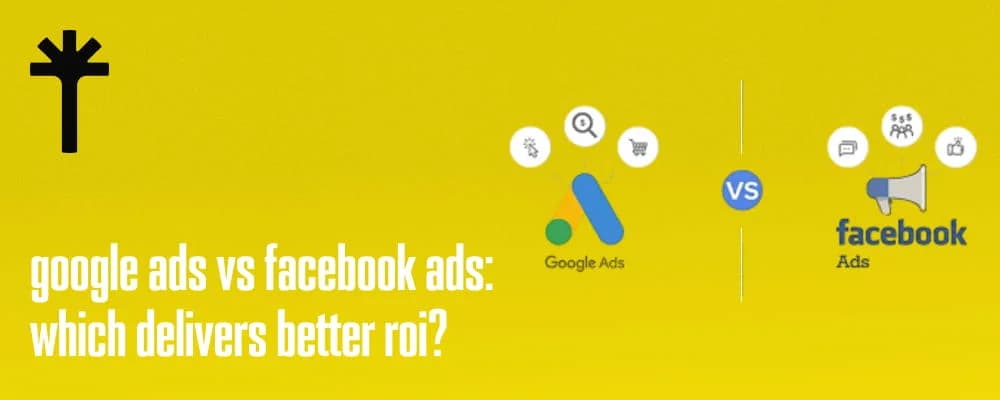
One of the most common questions businesses ask when planning their marketing budget is whether they should invest in Google Ads or Facebook Ads. Both platforms are powerful, both can generate impressive results, and both are widely used by businesses of all sizes. However, when it comes to return on investment, the answer is not always straightforward.
The reality is that Google Ads and Facebook Ads serve different purposes within the customer journey. Understanding how each platform works and where it performs best can help businesses make smarter decisions and maximize their marketing results.
For companies investing in digital marketing services, knowing the strengths and limitations of each platform is essential for creating campaigns that drive measurable growth.
Google Ads is based primarily on search intent. Users actively search for products, services, or solutions, and advertisers place their ads in front of these users at the exact moment they are looking for information.
For example, someone searching for “best accounting software” or “local web development company” is already expressing interest and intent.
This makes Google Ads particularly effective for reaching users who are close to making a decision.
High Purchase Intent
Users searching on Google often have a specific need and are actively looking for solutions.
Immediate Visibility
Businesses can appear at the top of search results almost instantly.
Wide Reach
Google processes billions of searches every day, providing access to a massive audience. Strong Lead Generation Potential
Search driven traffic often converts at higher rates because users are already interested in the offering.
According to Google Economic Impact reports, businesses earn an average of 2 dollars in revenue for every 1 dollar spent on Google Ads, although actual results vary by industry and campaign quality.
Facebook Ads, which also includes Instagram advertising through Meta’s advertising platform, operates differently. Instead of targeting active searches, Facebook focuses on audience targeting based on demographics, interests, behaviors, and engagement patterns.
Users may not be actively searching for a product when they see an ad. Instead, the platform introduces products and services based on what users are likely to be interested in.
Advanced Audience Targeting
Businesses can reach highly specific audience segments.
Strong Brand Awareness
Facebook excels at introducing brands to new audiences.
Visual Storytelling
Images, videos, and interactive formats create engaging experiences.
Lower Entry Costs In many industries, Facebook advertising can start with smaller budgets.
According to Meta, personalized advertising helps businesses connect with audiences more effectively by using relevant targeting signals and user interests.
When discussing ROI, it is important to understand that return depends heavily on business goals.
Google Ads often performs better when:
Facebook Ads often performs better when:
Brand awareness is a priority Products are visually appealing Businesses want to build demand Customer decisions involve emotional factors Fashion, beauty, fitness, lifestyle, and consumer products frequently achieve strong results through social advertising because visual engagement influences buying behavior.
One of the biggest differences between these platforms is intent.
Advertising costs vary by industry, competition, location, and targeting.
Google Ads often has higher cost per click because businesses compete for valuable search terms.
Facebook Ads typically offers lower cost per click but may require more impressions and engagement before generating conversions.
According to WordStream benchmark data, average costs can vary significantly across industries, making campaign optimization more important than platform selection alone.
ROI cannot be measured accurately without proper tracking.
Businesses should monitor:
The most successful marketing strategies often combine Google Ads and Facebook Ads rather than choosing one over the other.
A typical customer journey may look like this:
Managing paid advertising effectively requires expertise, testing, and ongoing optimization.
Professional digital marketing services help businesses:
There is no universal answer because every business has unique goals, audiences, and products.
Google Ads may be the better choice if:
The debate between Google Ads and Facebook Ads is not about which platform is universally better. It is about which platform aligns best with your business goals, audience behavior, and marketing strategy.
Google Ads excels at capturing intent, while Facebook Ads excels at generating awareness and engagement. Together, they can create a powerful marketing ecosystem that drives sustainable growth.
This is where arbortising supports businesses with expert digital marketing services tailored to modern advertising challenges. Whether you are looking to improve lead generation, increase conversions, or maximize advertising ROI, Arbortising helps brands develop data driven digital marketing strategies that deliver measurable results.
Learn more at https://arbortising.com/
 Why Your Website Design Is Costing You LeadsLearn about common website design issues that create friction for visitors and discover ways to create a better user experience.
 Why SEO Still Matters for Small Businesses in 2026The digital marketplace has become more competitive than ever. Every day, thousands of businesses compete for attention across search engines, social media platforms, and online marketplaces.Why Your Website Design Is Costing You LeadsLearn about common website design issues that create friction for visitors and discover ways to create a better user experience.
 we have answers!Call us